
Outside Looking In
How the US is viewed on the other side of the world


“What the heck is going on in your country?”
My husband and I were asked this question repeatedly on a recent trip. To celebrate our wedding anniversary and twenty years together (I know, how can we be that old already!) we travelled to the other side of the world, visiting both Australia and New Zealand. We had a wonderful time seeing the sights, crossing items off our bucket lists. Together we dove the Great Barrier Reef, hiked around the sacred monolith Uluru in the outback, pet both kangaroos and koalas (we never did see a kiwi), saw the fireworks on NYE in Sydney harbor, visited many Lord of the Rings filming sites (Hobbiton, Rivendell, Mordor, Fangorn forest, Helm’s Deep, Isengard, Rohan and Gondor!), and took a breathtaking helicopter ride over Piopiotahi/Milford Sound.
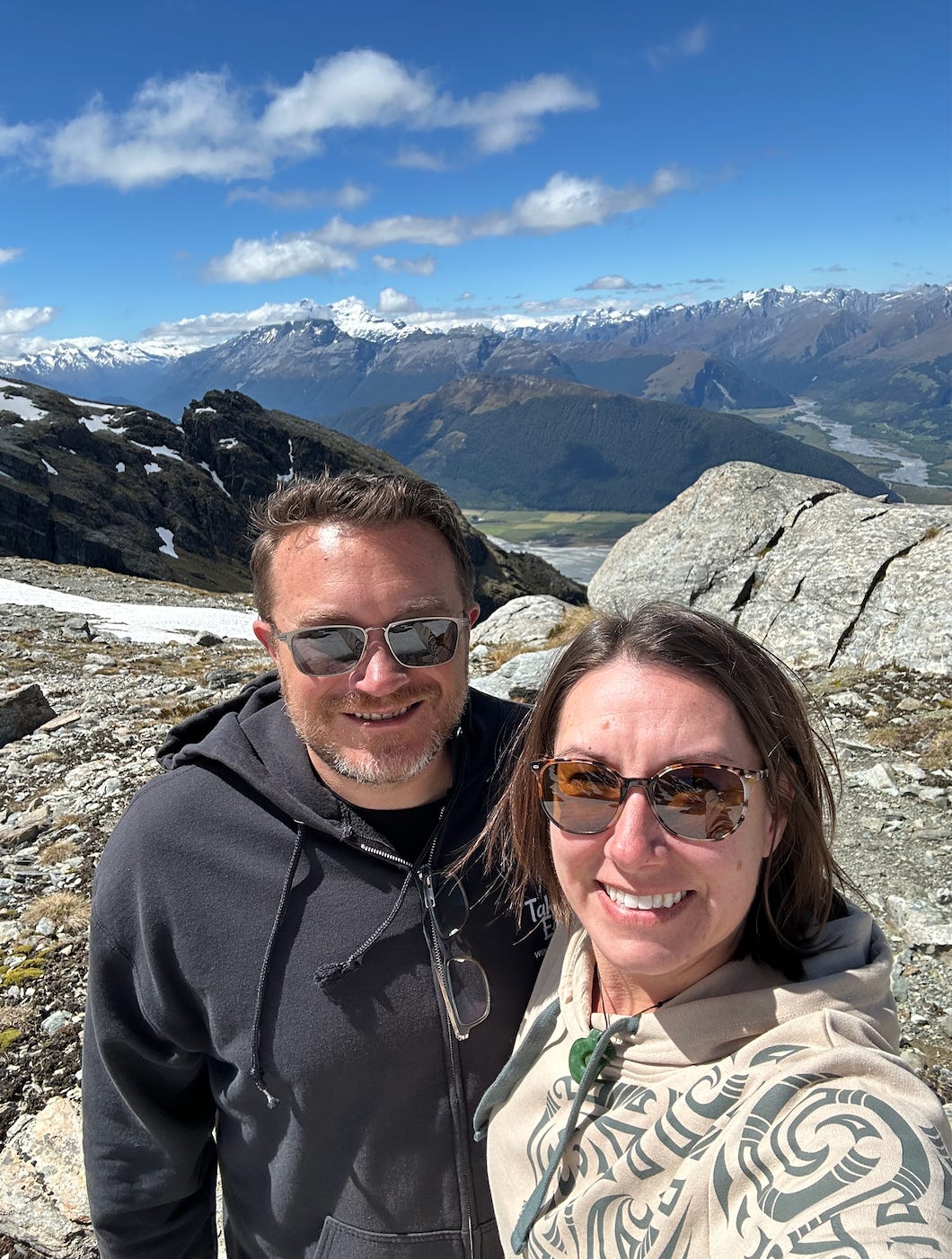
Standing on top of a mountain in the Southern Alps, between Queenstown and Piopiotahi
Preparing for the trip, we talked about whether or not to tell people we were from the US or to lie and pretend we were Canadians. We weren’t sure how we’d be welcomed as Americans overseas with things so contentious. In our minds, the tariff war, pulling out of different pacts and treaties, plus all of the bullying and threats from the current administration in the White House couldn’t be viewed favorably abroad. And so I didn’t pack any clothes that identified me as American and my husband didn’t bring along any of his Michigan State clothing either. (Of course our accents gave us away instantly!)
While we were away, we tried our best to unplug from social media and the news. 2025 was an exhausting year in both public health and politics. I definitely needed a break. One thing we couldn’t escape was the questions from well meaning, curious Aussies and Kiwis about the political climate back home. It seemed everyone we met wanted to know our thoughts on Trump. I was proud when my husband was quick to tell folks “we didn’t vote for him and my wife actively works for the party on the other side.”
It definitely hit home every time we had these conversations. They say that politics is local but the ramifications of what our country is doing right now ripples across the globe. Folks in a timezone 19 hours away from ours were concerned about what they were hearing and seeing on the news in the US.
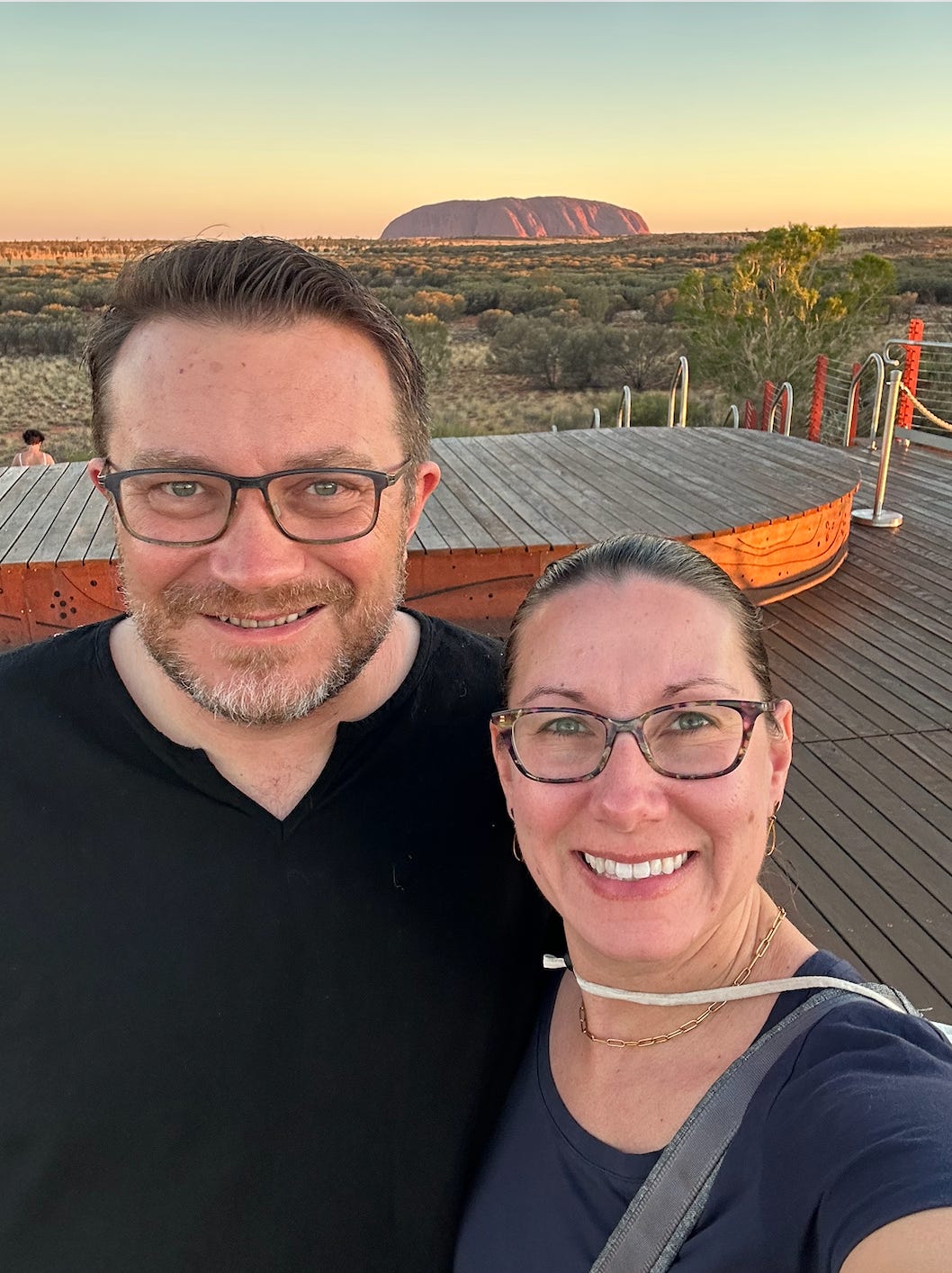
Sunset near Uluru, in the Australian outback on Christmas Eve
We had plenty of interactions with folks in different parts of Australia and New Zealand since we covered lots of ground during our month away. We had frank conversations with taxi drivers, Uber drivers, tour guides and random folks at restaurants, cafes and bars. We even met up with several of my husband’s work colleagues in Melbourne, Sydney and Christchurch. The overwhelming sentiment was that people couldn’t believe our country had elected Trump again.
While we were in Cairns, Australia, my husband and I went scuba diving on the Great Barrier Reef. During a break between dives, we befriended a young Australian woman from Perth. I learned she was a nurse and chuckled to myself about my knack for finding healthcare providers everywhere I go (seriously, I’m like a magnet!). I asked her about the Australian healthcare system and listened intently as she told me about their national health coverage that ensures everyone has access to healthcare. She then asked what things were like in the US. I filled her in about our broken system, driven by profits over people, which results in high costs for the uninsured and medical bankruptcies that happen all too frequently.
“So the US is a first world country with a third world healthcare system?” she asked.
And with that, she summed up perfectly in one sentence exactly how I would describe our healthcare system. In the US, if you’re well off or lucky enough to have a job that provides healthcare insurance, you’re A-ok. If you happen to fall out of that tier, you’re all on your own, up the proverbial creek without a paddle, left to fend for yourself.
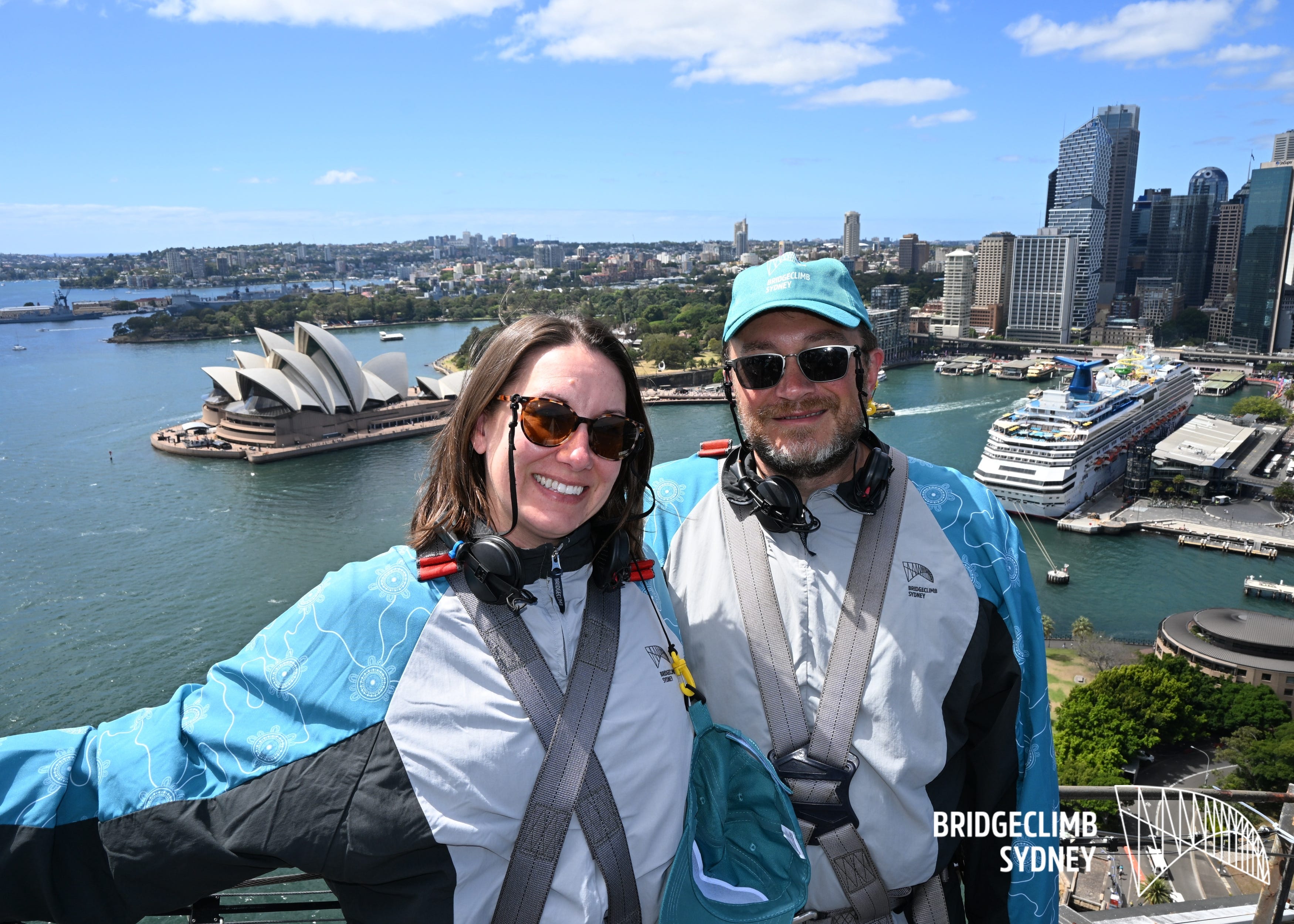
On top of the Sydney Harbor Bridge on December 29
Both countries we visited have socialized healthcare systems. Not surprisingly, they have much better health outcomes than the US. We felt reassured knowing that if something happened to us while we were on vacation, we would be cared for without the worry about expensive medical bills. I often treat tourists in my emergency department in Nashville and I get asked about the bill all the time, especially by the Canadians (many foreign travellers know to purchase emergency health insurance plans when visiting the US). I always feel bad for these folks and the inevitable sticker shock they’ll feel when that bill arrives in the mail.
On our trip to the Blue Mountains west of Sydney, the tour guide asked about my experiences working as a doctor in the US healthcare system. I was open an honest with him about the difficulties and moral injuries doctors face treating patients without healthcare insurance. I told him about the delays in care, worse prognoses, heartbreaking patient refusals of care due to cost, hardships finding providers who care for uninsured patients and huge medical bills many people in our country face. I didn’t even mention the anti-vaccine, anti-science crusade going on in the US, led by RFK Jr and the MAHA movement quacks or the dismantling of the CDC which is endangering our entire public health system.
“It’s hard to be a doctor in the US right now,” I said with a heavy sigh.
In response, our tour guide pulled his Australian national health insurance card out of his wallet, showed it to us and told us that with that card he was guaranteed treatment without having to pay anything - it was all covered by their taxes. (With the caveat that dental procedures weren’t covered. Australians are on their own with regard to their oral health. No system is perfect!)
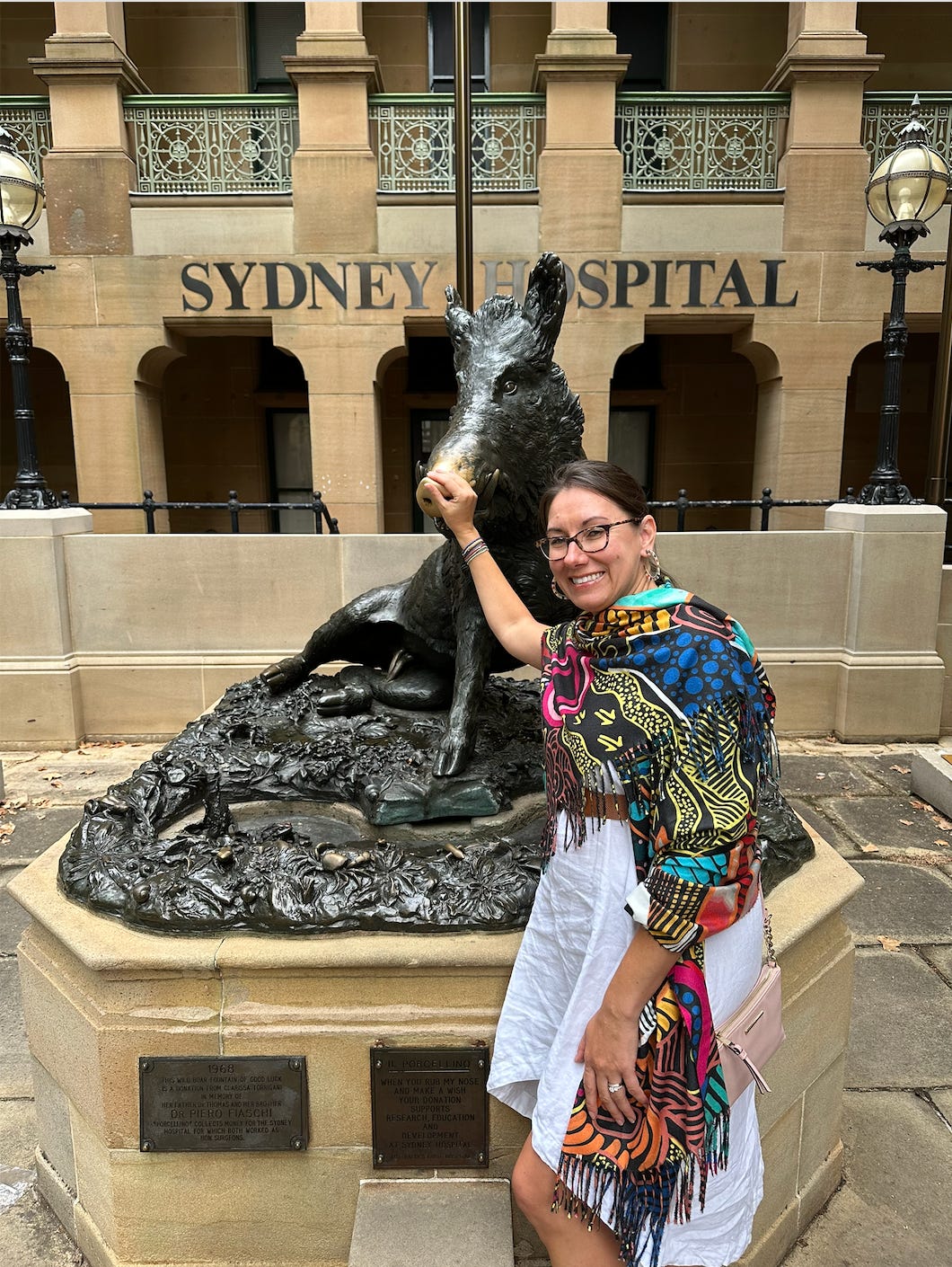
Rubbing the nose of Il Porcellino outside the Sydney Hospital for good fortune
On blustery day in New Zealand, travelling from Christchurch to Queenstown, our driver asked, seemingly out of the blue, about the gun laws in the US. I hesitantly looked at my husband (he knows I’m a proponent of stricter gun laws and a gun safety advocate). “Don’t get me started!” I laughed. But then we had a great discussion about the differences in gun laws in New Zealand and the US, as well as the rates of mass shootings in each country (spoiler alert, NZ has much fewer mass shootings and much stricter gun laws. Maybe there’s a correlation???). I told him about the recent battles in the Tennessee state legislature gun safety and the lax gun laws here. He was absolutely dumbfounded when I told him about the law that allows teachers to carry firearms in their classrooms. Our driver shook his head while agreeing that forcing teachers to become security guards was an incredibly bad idea.
Despite all our efforts to unplug from the news, it still caught up with us, even on the other side of the world. While we were away, we learned about the US military actions in Venezuela (another topic a driver asked us for our opinions about) and the horrifying shooting of an unarmed Minnesota woman by an ICE officer. These events and the political climate in the US as a whole had us looking up how easy it would be to get jobs and immigrate to New Zealand, a country we fell in love with during our trip.
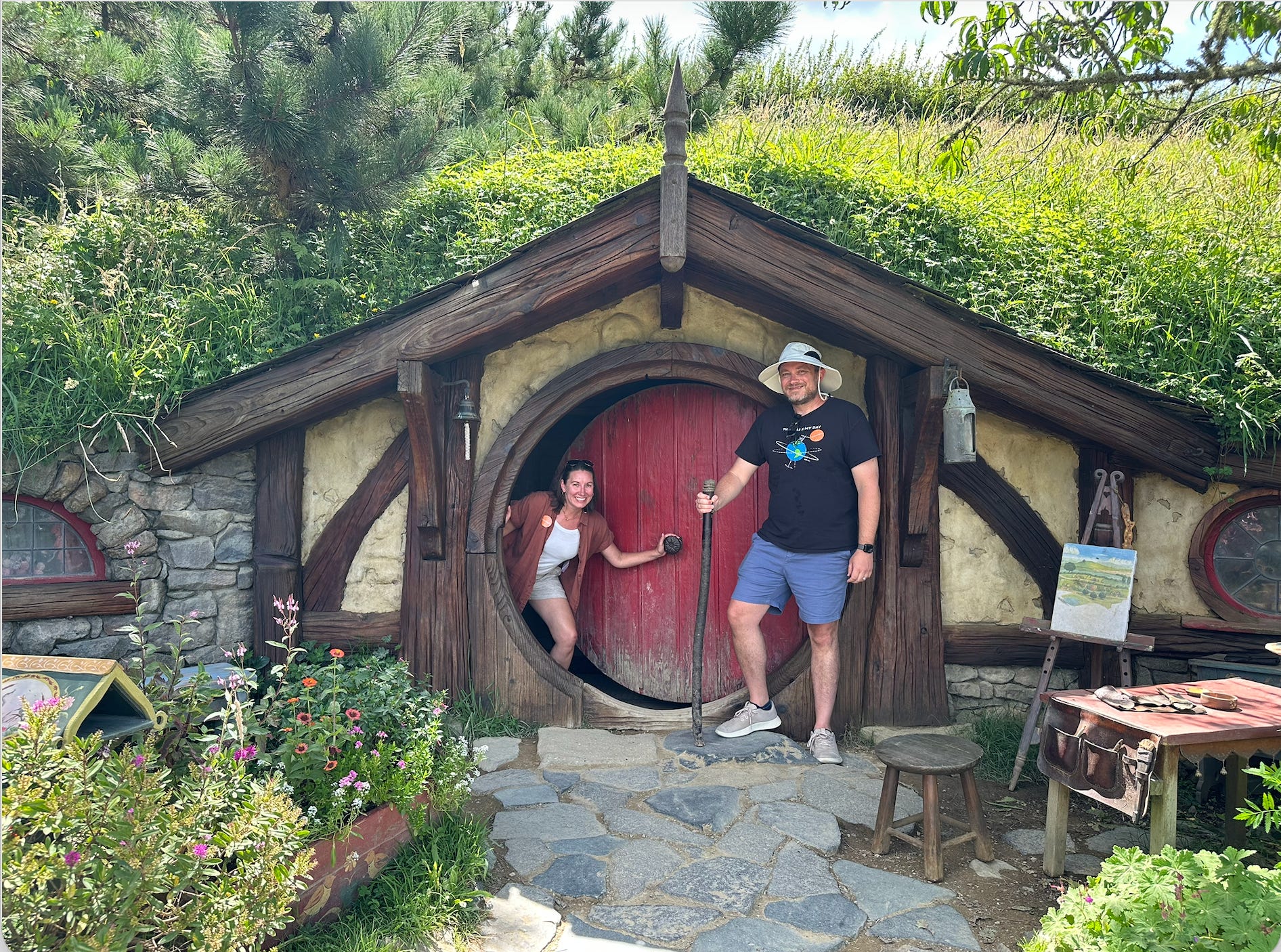
Fulfilling my dream of visiting a hobbit hole!
Those we know and love here in the US will be relieved that we ultimately decided we aren’t ready to leave. As much as our country continues to frustrate us, it’s still home. But it is good to know there are welcoming places in the world where healthcare is valued as a human right, lives are held above the right to gun ownership and politics aren’t as contentious.
Ultimately, I still have hope that we can make things better here. Seeing the resistance continue and more voices joining the chorus, saying “this is not right and we won’t stand for it,” lets me know I’m not alone and bolsters my resolve for the long road ahead.
“What the heck is going on in your country?” folks around the world asked.
“A lot. But I’m one of those who is working hard to fix it.”
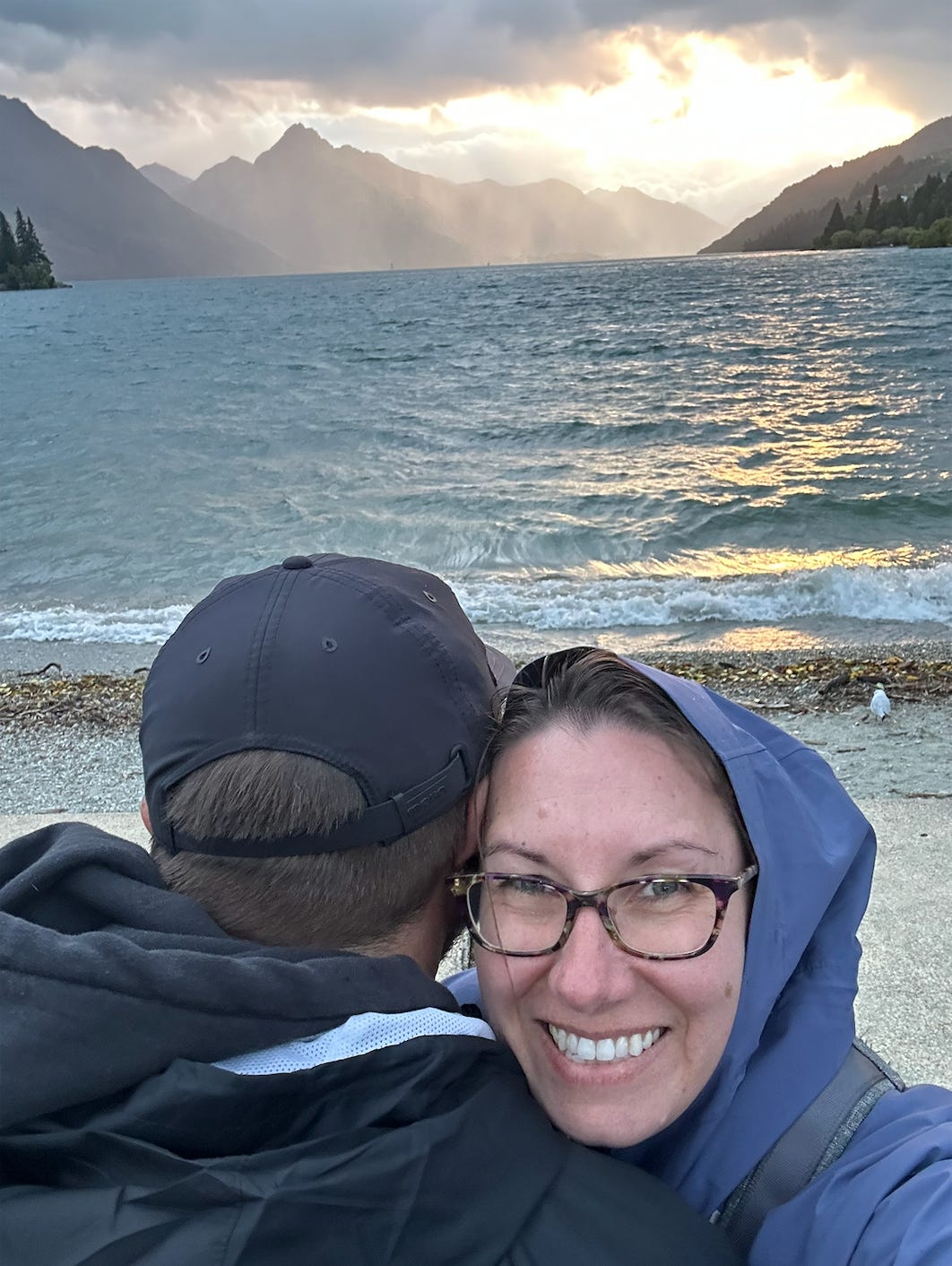
Sunset in Queenstown, NZ - the most beautiful place on earth (that we’ve visited thus far)!
Dr. Katrina Green, MD FAAEM, FAMWA is a board certified emergency physician, and public safety and health advocate in Nashville, TN.
Are you a Tennessee healthcare worker interested in getting more involved in healthcare advocacy? Join Protect My Care!
If you’re a physician who identifies as a woman or want to support women in medicine, consider joining or donating to support the American Medical Women’s Association!
Check your voter registration
 | A guest post by
|